
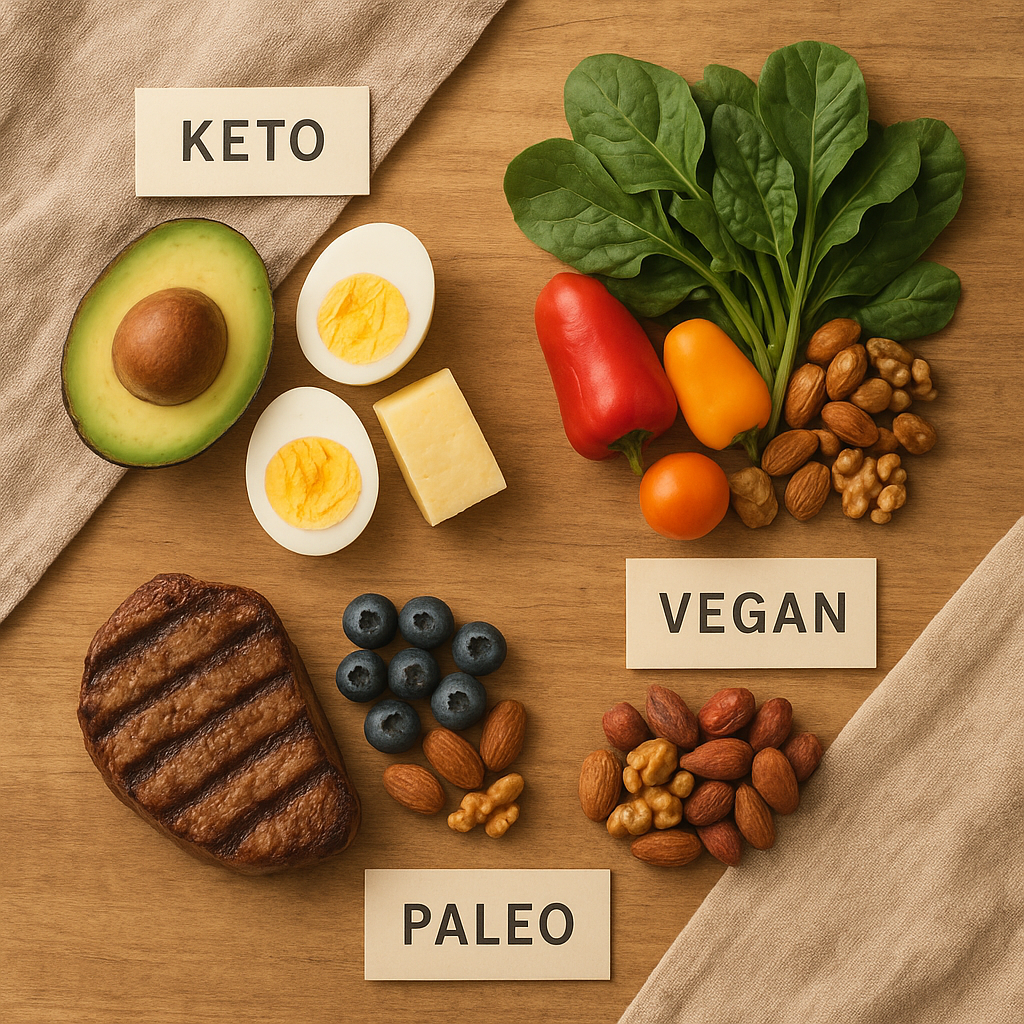
People are always looking for ways to improve their health and fitness, which is why diets like Keto, Vegan, and Paleo have become very popular. Each of these diets has its own benefits and difficulties, so it’s important to pick one that fits your health goals and lifestyle. In this blog, we’ll explore the good and bad sides of these three popular diets and how they affect your health management.


1. Keto Diet : The Low-Carb, High-Fat Trend
The ketogenic (keto) diet involves greatly cutting down on carbs and eating more fats, which helps the body enter a state called ketosis.
Pros:
- Weight Loss: Helps lose weight quickly because the body uses fat for energy.
- Better energy: Stable blood sugar levels can prevent sudden drops in energy.
- Clearer Mind: Some people feel more focused and mentally sharp.
Cons:
- Hard to Keep Up: Strict limits on carbs can be tough to follow for a long time.
- Possible Nutrient Shortages: Not eating fruits, whole grains, and certain vegetables can cause vitamin shortages.
- Keto Flu: early side effects include tiredness, headaches, and moodiness.
- Risk of Elevated Cholesterol: Some people may experience increased LDL (“bad”) cholesterol due to the high intake of saturated fats.
- Risk of Ketoacidosis: Rare in healthy people, but those with certain conditions (e.g., type 1 diabetes) can develop dangerous high ketone levels in the blood.
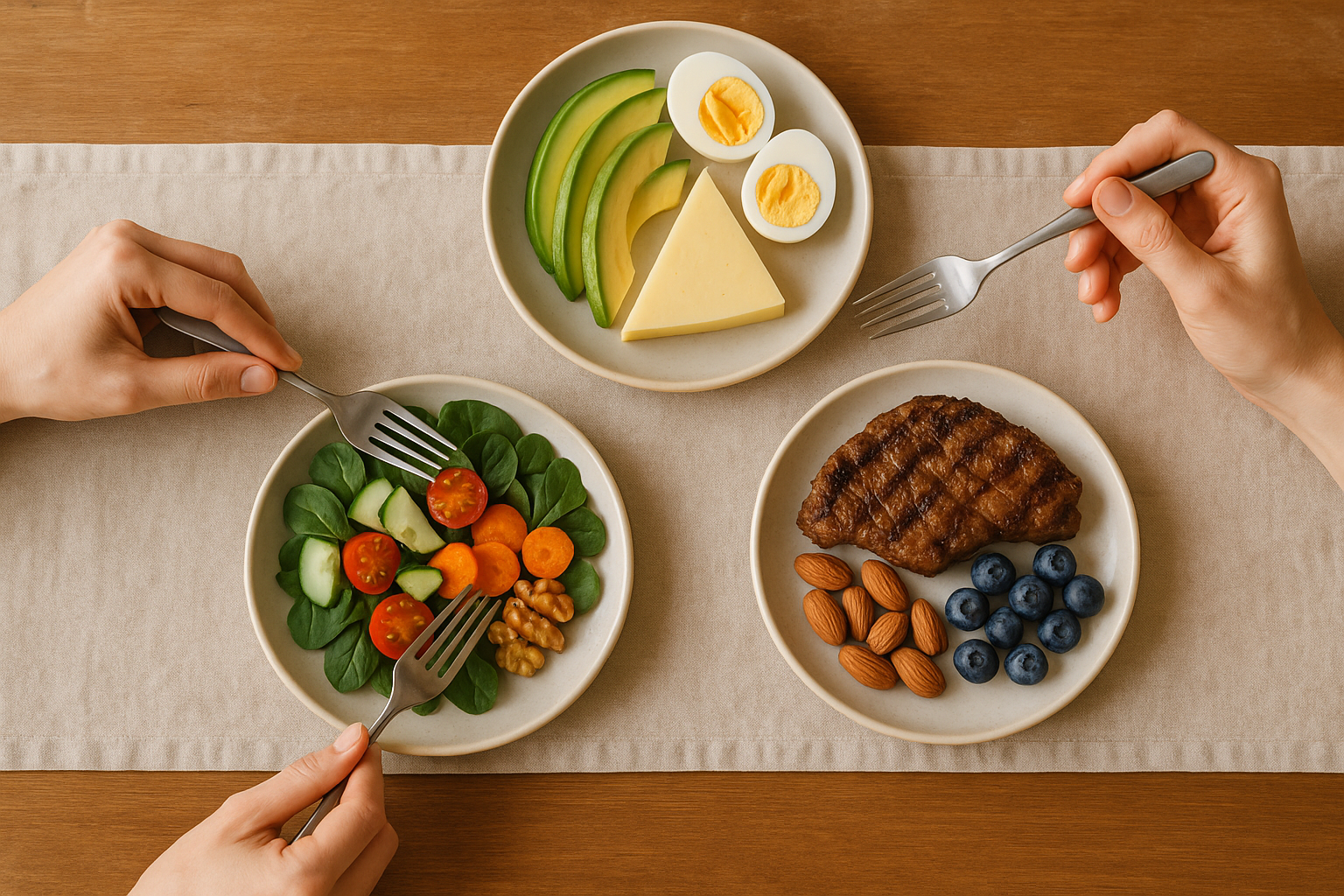
2. Vegan Diet: The Plant-Based Lifestyle
A vegan diet avoids all animal products and centers on plant foods such as vegetables, fruits, nuts, grains, and legumes.
Pros:
- Heart Health: Eating plant-primarily based foods is related to decrease cholesterol and higher coronary heart health.
- Improved Digestion: High fiber helps with digestion, reduces constipation, and helps intestine health.
- Nutrient Rich: Contains high degrees of fiber, antioxidants, and crucial nutrients.
Cons:
- Protein Issues: Ensuring enough protein intake needs careful making plans.
- Vitamin Shortages: Might require supplements because of possible deficiencies in nutrition B12, iron, and omega-three fatty acids.
- Social Difficulties: Eating out or attending events may be more hard.

3. Paleo Diet: The Caveman Approach
The paleo weight loss program emphasizes eating meals similar to those consumed during the Paleolithic generation, such as lean meats, fish, nuts while avoiding processed ingredients, grains, and dairy.
Pros:
- Natural Focus: Promotes the use of whole, unprocessed ingredients that are rich in vitamins.
- Improved Digestion: Eliminating processed foods may enhance gut health.
- Weight Management: Consuming a high-protein diet along with coffee and carbohydrates can aid in weight loss.
Cons:
- Restrictive: Avoiding grains, dairy, and legumes can make the food plan feels restrictive.
- Costly: Organic, tremendous meats and clean produce may be costly.
- Potential Imbalance: Avoiding entire food groups can also result in nutrient gaps.
Which Diet is Right for You?
Selecting the right diet depends on your personal goals, fitness needs, and lifestyle. It is essential to consult a healthcare professional or a nutritionist before making significant changes to your diet. Regular health management practices, such as tracking your nutritional intake and staying informed about your health status, can help ensure that your dietary choices support your overall well-being.
Final Thoughts
Whether you lean towards the Keto, Vegan, or Paleo food plan, expertise their pros and cons is vital. No weight loss plan is one-size-suits-all; what works for a one person that might not suit you. Adopt a diet that aligns with your lifestyle and health goals, while maintaining regular hfiles to track your progress and ensure optimal outcomes.