

Aging is no longer something that happens slowly and silently in the background. Today, most of us are aging faster than we realize. While life expectancy has increased, the number of years spent in poor health has also grown. On average, people spend the last 9–17 years of their lives battling chronic illnesses, mobility issues, and lifestyle-driven diseases that could have been prevented.
This silent epidemic is reshaping how we age, work, and live. Two people could be the same age, yet have bodies that function entirely differently. One may be active, sharp, and energetic, while the other struggles with fatigue, brain fog, and early signs of disease. The surprising truth? Only 20–30% of aging is genetic. The remaining 70–80% is influenced by your habits, lifestyle, and environment — variables you can control.
This means aging well is not luck. It’s a choice.


The Hidden Cost of Fast Aging
Most people think aging “just happens,” but early warning signs show up much earlier than expected. When ignored, these slip into lifelong conditions that dramatically reduce quality of life.
Chronic illnesses linked to accelerated aging include:
- Alzheimer’s – 13.7%
- Cancer – 41.1%
- Heart disease – 45.2%
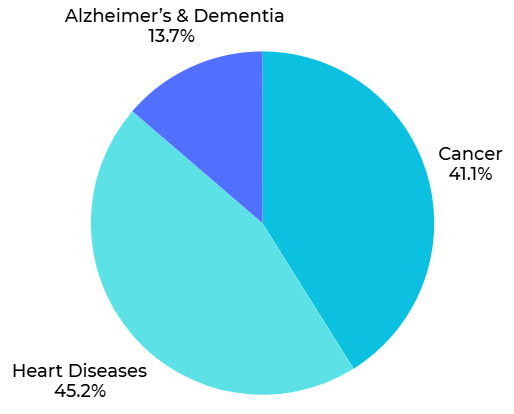
These conditions don’t develop overnight. They build over years of poor sleep, inconsistent routines, chronic stress, sedentary life, and lack of medical awareness. One of the biggest challenges? People rarely track their health data. Missing prescriptions, lost reports, and scattered health documents make early detection nearly impossible.
This is why organizing medical records, maintaining digital medical records, and using proper health record management systems are no longer optional. Better tracking leads to better prevention.
Are You Aging Faster? Signs You May Be Biologically Older
You might feel “fine,” but your body may already be signaling accelerated aging. Common symptoms include:
- Slowed metabolism
- Constant fatigue
- Frequent illness
- Low stamina
- Brain fog or forgetfulness
- Sluggish or demotivated mindset
These signs indicate that your biological age — the age of your cells and organs — is higher than your actual age. And if ignored, what feels normal today could become a health crisis tomorrow.
The solution begins with daily choices.

Healthy Habits That Slow Aging
Healthy aging isn’t about looking young. It’s about extending health span, the number of years you remain active, productive, and disease-free. Small, consistent changes have the greatest impact.
1. Resistance Training
Strength training is one of the most effective anti-aging tools. It builds muscle, prevents bone loss, boosts metabolism, improves insulin sensitivity, and keeps joints strong.
2. Whole-Food Nutrition
What you eat determines how fast your cells age. A diet rich in whole foods, healthy fats, antioxidants, and plant diversity reduces inflammation and supports long-term health.
3. Quality Sleep
Sleep is your body’s natural repair cycle. Poor sleep accelerates aging faster than almost any other factor. Deep sleep boosts immunity, brain health, and hormonal balance.
4. Skin Protection
Sun damage causes premature skin aging, pigmentation, and early wrinkles. Consistent SPF use is one of the simplest ways to protect your skin’s health.
Building these habits and tracking your progress through my health records gives you a clearer picture of your long-term well-being.

Why Tracking Your Health Matters More Than You Think
Most people lose medical files, forget old reports, or rely on memory when explaining their health history to doctors. This leads to misdiagnosis, repeated tests, and missed early warnings. What’s often overlooked is the financial impact—when health data isn’t tracked, people end up paying repeatedly for the same scans, consultations, and emergency treatments that could have been prevented or detected earlier.
Late diagnosis doesn’t just cost health—it leads to higher medical bills, prolonged treatments, lost workdays, and long-term financial stress for families. Preventive care is always more affordable than crisis care, but it only works when accurate health records are available at the right time.
Today, digital systems are changing everything. You can:
- Store medical records in a secure online vault
- Maintain medical records for lifelong access
- Use digital tools for health record management
- Manage the entire family through a family health manager
- Create and access my ABHA ID for seamless digital care
- Access a unified PHR system (personal health record)
- Track habits, symptoms, and progress easily
With proper documentation, preventive care becomes far more effective, protecting both your health and your finances. Doctors can spot patterns early, avoid unnecessary tests, and design smarter, cost-effective treatment plans using complete, accurate data.
Discover More Health Insights
If you want trusted, doctor-backed knowledge on aging, disease prevention, and smart health habits, explore more at HFiles.in — your destination for:
- Digital medical records
- Health record management
- Family health manager tools
- And India’s most secure medical data storage system
Healthy habits today create a stronger tomorrow.
Change your habits before aging changes you.
This blog post is brought to you by Health Files, your trusted platform for managing and organizing your health records. Visit us at Hfiles to securely store, access, share and track your medical documents with ease.